
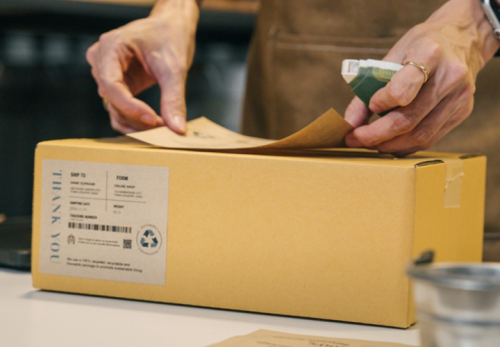
Manual labeling often feels like the safe choice. It’s familiar, it works (most of the time), and it doesn’t require a major process change. But in 2026, many businesses are discovering that what once felt “good enough” is quietly limiting efficiency, accuracy, and growth.
The real cost of manual labeling isn’t just labor—it’s inconsistency, waste, and missed opportunity.
Where Manual Labeling Starts to Break Down
As production volumes increase and operations become more complex, manual labeling exposes challenges that are hard to ignore:
- Labor Dependency - Manual labeling requires dedicated staff for repetitive tasks, often pulling skilled workers away from higher-value responsibilities.
- Inconsistent Throughput - Labeling speed varies by shift, staffing level, and fatigue—creating bottlenecks that slow production and fulfillment.
- Higher Error Rates - Misapplied labels, incorrect dates, or unreadable barcodes lead to rework, scrap, shipment delays, and customer issues.
- Pre-Printed Label Waste - SKU changes, regulatory updates, or packaging revisions can render entire inventories of labels obsolete.
Individually, these may seem manageable. Together, they tacitly erode margins and scalability.
Automation Doesn’t Have to Be All or Nothing
One common misconception is that automation requires a complete overhaul. In reality, many companies start with semi-automated print and apply systems and expand as volumes grow or processes evolve.
The goal isn’t maximum automation—it’s the right level of automation for your operation today, with room to scale tomorrow.
The real question isn’t just “What does automation cost?”
It’s “What is manual labeling costing us over time?”
Not Sure Where to Start with Labeling Automation?
If manual labeling is slowing your operation, or introducing errors, it may be time to explore print and apply solutions.
General Data manufactures print and apply labeling systems designed around your products, volumes, and workflows. A short conversation can help you understand:
- Whether semi-automated or fully automated labeling makes sense
- Where automation delivers the fastest ROI
- How to improve accuracy without disrupting operations
Talk with a labeling automation specialist to explore your options - no obligation.